
- Pepián is a UNESCO-recognized intangible cultural heritage dish blending Mayan roots with Spanish colonial influences in a rich stew.
- The signature depth comes from roasting seeds, nuts, and vegetables until charred, creating a complex, nutty, and smoky base.
- While traditional recipes use specific local chilies, US-based cooks can achieve authentic heat using high-quality salsa brava or chiltepe.
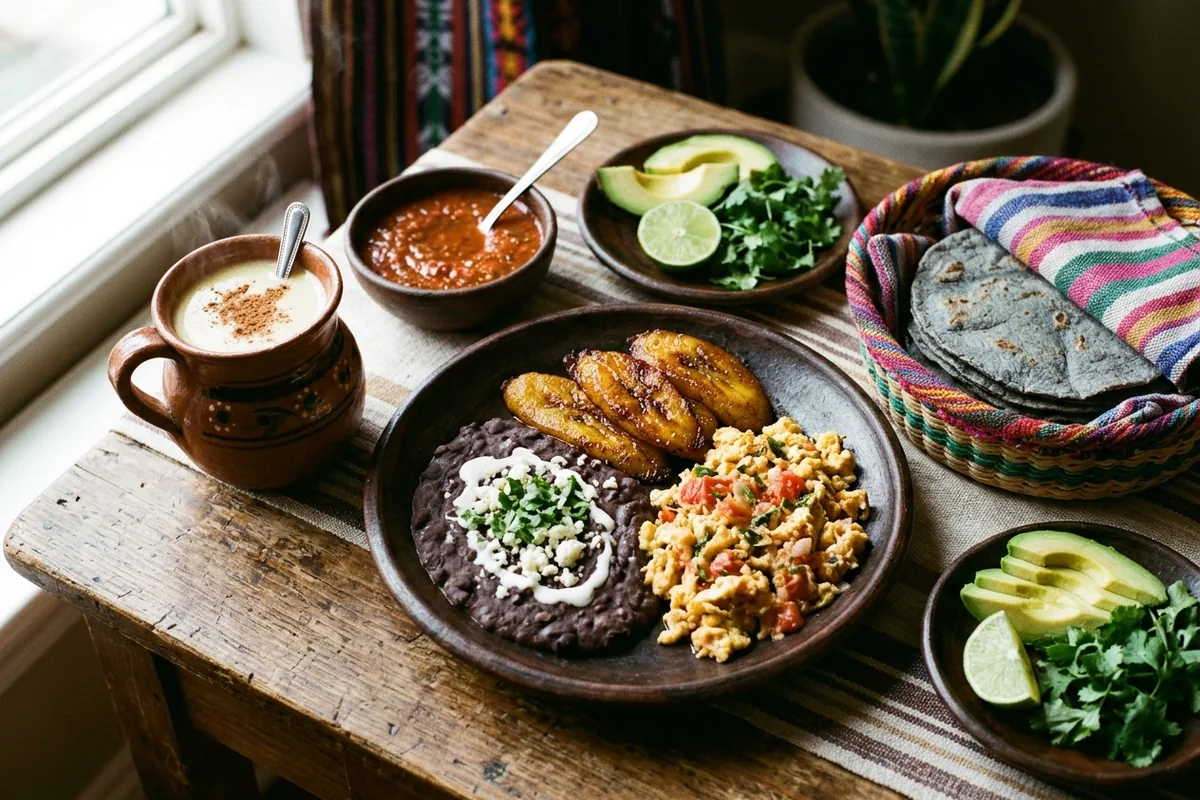
- Serving Pepián with a side of refried beans and white rice completes the traditional Guatemalan comfort meal experience.
Pepián de Pollo is more than just a stew; it is the culinary soul of Guatemala. Rooted in the highlands, this thick, aromatic dish represents a marriage of indigenous Mayan ingredients—like pumpkin seeds and sesame—and Spanish imports. Whether served at a wedding in Antigua or a family Sunday dinner in Guatemala City, Pepián is the gold standard of comfort food, characterized by its deep mahogany hue and a velvety texture that clings to tender chicken.
For those living in the United States, recreating this masterpiece can feel daunting due to the specific roasted seed requirements. However, with a few strategic swaps and a well-stocked Chapín pantry, you can bring the authentic flavors of the Eternal Spring to your own kitchen. This guide bridges the gap between traditional Guatemalan techniques and the convenience of U.S. grocery stores, ensuring your Pepián tastes like home.
The Art of the Recaudo
The heart of any Pepián is the recaudo, the concentrated sauce made from toasted ingredients. Unlike French roux, which relies on flour and butter, the recaudo gets its thickness from ground pepitoria (pumpkin seeds) and sesame seeds. The secret lies in the 'tostado'—roasting the seeds, tomatoes, miltomates, and onions until they are slightly charred. This process unlocks a smoky depth that defines the dish's aromatic profile.
In the U.S., you can find raw pumpkin seeds and sesame seeds in the bulk section of most health food stores. To achieve the authentic charred flavor, use a dry cast-iron skillet over medium-high heat. Be vigilant; the seeds can go from perfectly toasted to burnt in seconds. Once charred, blending these with a bit of chicken broth creates the luxurious, nutty emulsion that transforms simple chicken into a national treasure.
- Toast seeds separately to avoid uneven burning.
- Use a high-powered blender to ensure the recaudo is completely smooth.
- Sieve the sauce if you prefer a more refined, velvety texture.
Balancing the Heat and Smoke
Traditional Pepián utilizes a blend of dried chilies, often including the pungent chiltepe, to provide a warm, lingering heat. In the U.S., finding specific Guatemalan dried chilies can be a challenge. To replicate that vibrant, spicy kick, many home cooks integrate a high-quality salsa brava. Adding a few dashes of PICAMAS Green Jumbo Hot Sauce provides that essential acidity and heat that cuts through the richness of the seeds.
The balance of flavor should be savory, nutty, and slightly spicy, without any single ingredient dominating. The addition of cinnamon and cloves provides a subtle sweetness that echoes the colonial influence on Guatemalan cuisine. This complexity is what makes Pepián stand out from other Latin American stews, offering a sophisticated palate that is both earthy and bright.
- Add hot sauce gradually to customize the spice level.
- Use a pinch of cinnamon to enhance the aromatic depth.
- Balance the salt with a squeeze of fresh lime just before serving.
Where to Source These Authentic Items in the U.S.
Building an authentic Guatemalan kitchen is easier than ever with Amazon's curated Chapín staples. Grabbing ready-to-eat favorites like NATURAS or Ducal beans saves you hours of prep and eliminates the need to hunt through multiple specialty markets.


Authentic Pepián de Pollo
Prep: 30 mins · Cook: 60 mins · Yield: 6 servings
Ingredients
- 3 lbs bone-in chicken thighs and drumsticks
- 1/2 cup pepitoria (raw pumpkin seeds)
- 1/4 cup sesame seeds
- 3 medium tomatoes, quartered
- 3 tomatillos (miltomates), husked
- 1 white onion, chopped
- 4 cloves garlic, peeled
- 1 cinnamon stick and 2 whole cloves
- 4 cups chicken broth
- 2 tbsp vegetable oil
- 1 tbsp PICAMAS Green Jumbo Hot Sauce (or to taste)
- Salt and black pepper to taste
Step-by-Step Preparation
- In a dry skillet, toast pumpkin seeds and sesame seeds over medium heat until golden and fragrant; remove and set aside.
- In the same skillet, roast tomatoes, tomatillos, onion, and garlic until charred and softened.
- Place the roasted vegetables and toasted seeds into a blender with the cinnamon, cloves, and a splash of broth; blend until smooth.
- Heat oil in a large pot and sear chicken pieces until browned on all sides; remove chicken and set aside.
- Pour the blended recaudo into the pot, stirring for 5 minutes to cook the raw flavor out of the sauce.
- Return chicken to the pot, add remaining chicken broth and PICAMAS hot sauce, then simmer on low for 45 minutes.
- Season with salt and pepper, and serve hot with white rice and refried beans.
The Perfect Protein Preparation
While chicken is the most common protein, the key is using bone-in pieces like thighs and drumsticks. The marrow from the bones adds essential body to the broth, creating a richer mouthfeel. Searing the chicken first in a bit of oil ensures the meat remains juicy while adding a layer of caramelized flavor that complements the roasted recaudo.
Simmering the chicken directly in the recaudo allows the meat to absorb the complex flavors of the pumpkin seeds and chilies. For the most authentic result, let the stew simmer on low heat for at least 40 minutes. This slow process ensures the chicken is fork-tender and the sauce has reduced to a thick, glossy consistency that coats the back of a spoon.
- Avoid boneless breasts to prevent the meat from drying out.
- Sear the chicken until golden brown before adding the sauce.
- Skim any excess fat from the surface for a cleaner taste.
Completing the Chapín Plate
A Pepián is never served alone; it is part of a larger culinary ecosystem. The traditional accompaniment is a side of fluffy white rice and a generous portion of refried beans. In Guatemala, these beans are often served as frijoles volteados, providing a creamy, salty contrast to the spicy, nutty stew. This combination creates a balanced meal that hits every taste bud.
For those in the U.S. who want the taste without the hours of soaking and mashing, ready-to-eat options like Ducal or NATURAS provide an authentic shortcut. Whether you prefer the earthy depth of black beans or the classic taste of red beans, having a reliable bean base allows you to focus your energy on the complex Pepián sauce while maintaining a traditional presentation.
- Serve with warm, handmade corn tortillas.
- Garnish with fresh cilantro and sliced avocado.
- Pair with a glass of Horchata for a truly traditional experience.
Frequently Asked Questions
Can I make Pepián without pumpkin seeds?
While pumpkin seeds (pepitoria) are essential for the traditional texture and nutty flavor, you can substitute them with toasted almonds or cashews in a pinch. However, the flavor profile will shift slightly away from the authentic Mayan heritage taste.
What is the best way to store leftovers?
Pepián tastes even better the next day as the flavors meld. Store it in an airtight container in the refrigerator for up to 4 days. Reheat slowly on the stove, adding a splash of broth if the sauce has thickened too much.
Is Pepián naturally gluten-free?
Yes, traditional Pepián is naturally gluten-free because it relies on seeds and vegetables for thickening rather than flour. Just ensure your chicken broth is certified gluten-free to maintain a safe diet for those with sensitivities.
How do I get the sauce to the right consistency?
The thickness comes from the amount of seeds used and the reduction time. If it's too thin, simmer uncovered for another 10-15 minutes. If it's too thick, whisk in small amounts of warm chicken broth until it reaches a velvety consistency.